
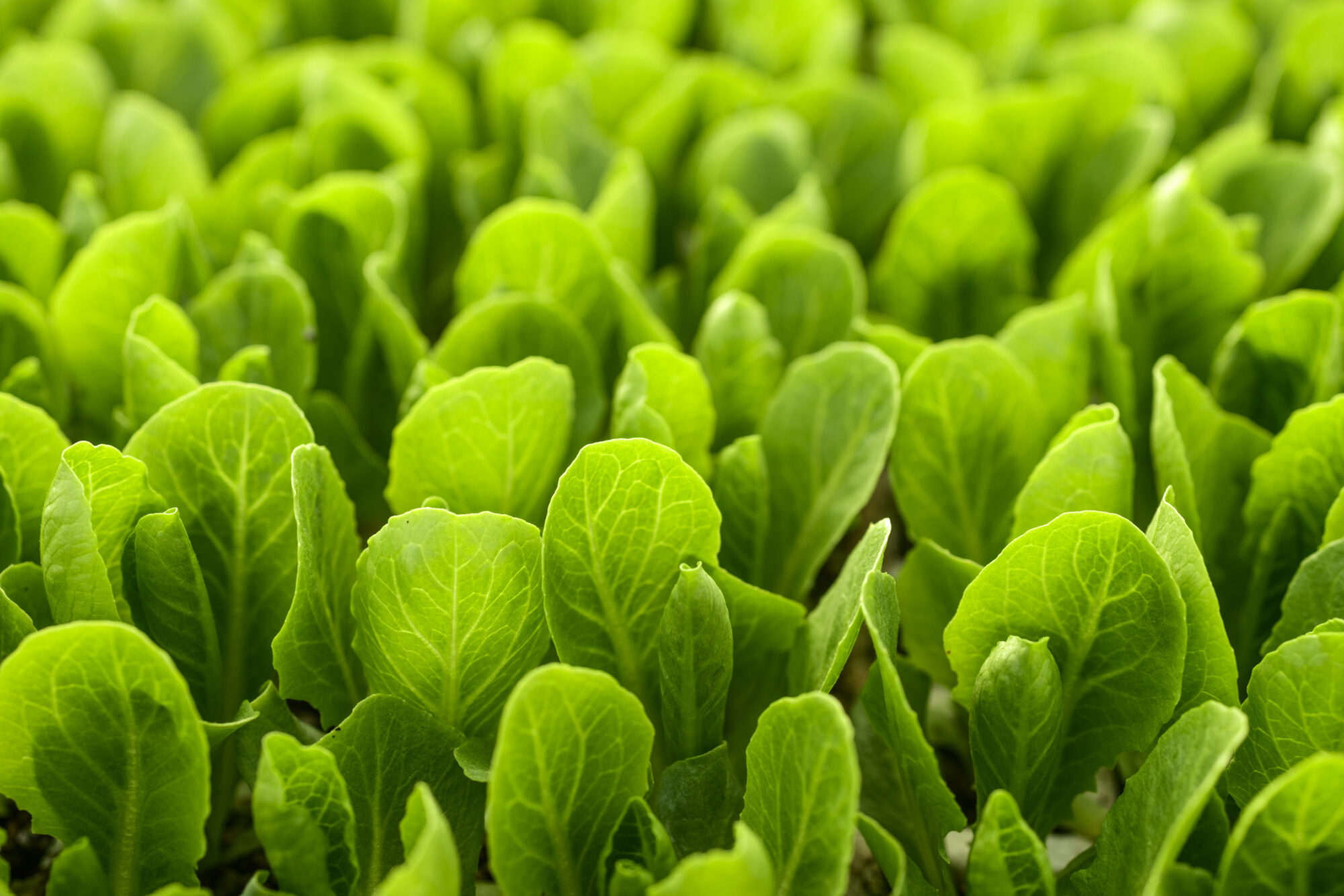
Last winter's high temperatures are making it difficult to balance supply and demand for the leaf season.
Beatriz García, a sales representative at Fruca Marketing, has outlined in *Mercados* magazine some of the challenges we face in this year’s leaf campaign.
The year has begun as a complex, multifaceted puzzle for the leaf campaign. The high temperatures and drought conditions that have characterized the entire winter have led to an early harvest at a time when sales prices are lower than those of the previous campaign.
“This winter season, high temperatures and a lack of rain have become the biggest problem for farmers, making it difficult to balance supply and demand,” explains Beatriz. In addition, she notes that she is beginning to observe a higher incidence of botrytis, and as a result, we are working with laboratories and seed companies to determine the causes. They have also expressed concern about the restrictions imposed by the EU. “The restrictions imposed by the EU on the use of plant protection products present us with an additional challenge,” she explains. Faced with these challenges, farmers are turning to preventive treatments as a first resort.

The use of innovative active ingredients is emerging as an essential strategy. In addition, the focus is on diversifying varieties with multiple resistances to adapt to changing environmental conditions.
Furthermore, Fusarium is having a significant impact on summer crop yields in high-altitude areas, causing losses of up to 80%. To date, crop rotation and careful variety selection have been the primary strategies employed.
The critical economic situation is driving the consideration of mechanization as the only alternative to boost efficiency and streamline procedures, especially post-harvest operations. “The shortage of skilled labor highlights the importance of mechanization for increasing efficiency,” adds our sales representative.
This transition would lead to a considerable increase in production capacity and output, as well as a more efficient use of resources throughout the production chain. Despite the obvious advantages, mechanization also faces significant challenges, particularly in reducing losses due to mechanical damage.
Site preparation is a key factor in ensuring the success of automated processes. In this regard, some seed companies are beginning to develop varieties whose structure is better suited to mechanical harvesting. “Dealing with water shortages and the persistent rise in input prices has become an ongoing challenge,” concludes García.
In the production sector, the main challenge is to improve crop management, a goal complicated by the growing demand for the use of plant protection products. Unfavorable weather conditions and other unpredictable factors are fueling the spread of endemic pests and diseases, which are becoming increasingly resistant. In addition, rising wages for skilled labor have significantly reduced production margins.
In Mercados magazine, you can read the full article